WOULD YOU HAVE INVESTED IN A HUELVA PYRITE MINE IN 1873?
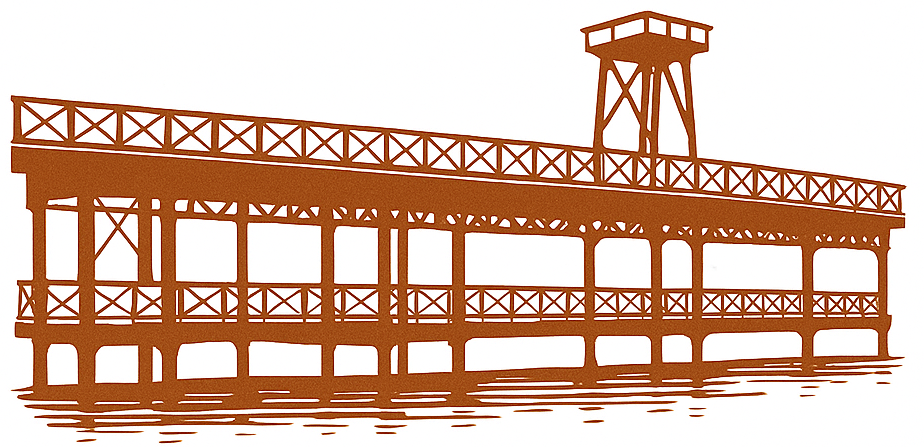
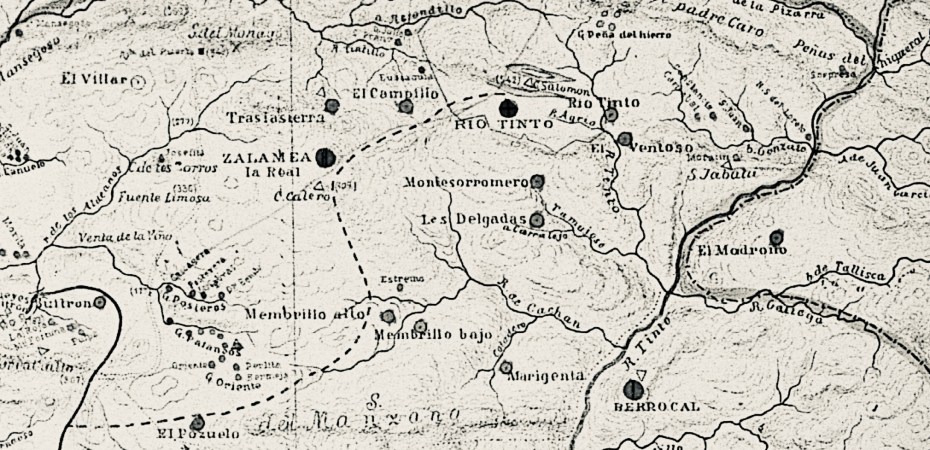
It’s July 1873, and you have just seen a prospectus to buy shares for The Rio Tinto Company. Prospectuses in the newspapers offering investment opportunities in Huelva Pyrite Mines with Spanish sounding names like Lagunazo, Carpio, or Lapilla have become quite common recently. You are well aware of the early successes of the pyrite mines of Mason & Barry at Santo Domingo Mines in Portugal, Tharsis Sulphur and Copper Mines at Alosno and Calañas, and the The Buitron and Huelva Railway and Mining Company mines between Valverde del Camino and Zalamea La Real. The Glasgow registered Tharsis Sulphur and Copper Company is especially well-known, and the large dividends they pay of up to 40% have unsurprisingly raised a few eyebrows. All three mines, to your knowledge, have a similar business model: large amounts of British capital, established commercial networks and access to markets, world-leading British mining expertise, open-cast or quarrying operations on a large scale, and perhaps most important of all, a mining railway concession to a nearby port (Pomaron in Portugal on the Guadiana River, Huelva port for Tharsis and San Juan del Puerto for the Buitrón mines). These ports have piers and extensive facilities to allow for shipping the minerals back to the heavy industry hubs of Swansea, Glasgow, Liverpool or Newcastle. This time, however, you can see well known names on the prospectus like Matheson and Co., Union Bank of Scotland and Deutsche NationalBank among others, who are seeking to raise a huge amount of capital to work the legendary Rio Tinto Mines, whose massive sulphide deposits make the other mines look like pygmies (this term was used at the time), a mere proof of concept in comparison. The capital they expect to raise is £2,000,000 which, as a ballpark figure, would be around 326,000,000€ by using the inflation method, and much more if you use GDP or Gold Standard methods. So the basic information you have is that huge amounts of capital are needed to work the well-known Rio Tinto copper mines, the company has some hefty financial backers, and the viability of the venture is road-tested by at least three British companies already successfully working pyrite mines in the Huelva area.
You are seriously thinking of investing, and then two days later you read another article in the Glasgow Herald, this time by the secretary of the Tharsis Company addressing some issues raised in the Rio Tinto prospectus and openly questioning the viability of the venture. You can see that the Tharsis Company are not too pleased to be used as a justification of the investment by a potentially massive competitor. Then a week later you see yet another article reprinted from the prestigious Mining Journal, answering the claims made by the Tharsis company and giving the impression that the window of opportunity to invest will soon be closed and you’d better hurry. You decide to carry out a due diligence before going any further. As a 19th century potential investor, what do you already know? What else do you need to know to make a good decision? The next articles aim to answer those questions.