
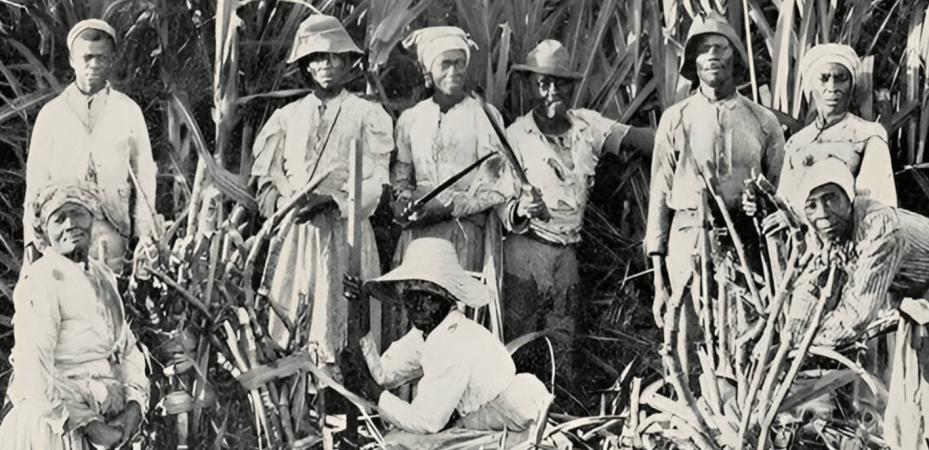
(Glasgow Evening Post—July 28, 1885)
It is probable that next year will witness the practical abolition of slavery in Cuba. The progress of manumission, which has been going on for some years past, is described by our Consul at Havana, in a report dated March 14 last, as satisfactory and uninterrupted. The principal law under which liberation is proceeding was passed in 1870. It provided that children in slavery after September 18, 1868, were to be free, as well as all slaves who had reached sixty years of age at that date. Slave labour was also placed under State regulation, by which the condition of the slave was improved, his hours of labour regulated, and his servitude converted into a legal apprenticeship with definite term and facilities were provided for emancipation apart from the regular conditions of the law. In each province there is a Central Board, with subsidiary boards in the municipalities, the duty of which is to hear and settle disputes between masters and slaves ; and we ar told that the force of public opinion is quite strong enough to prevent the commission of any serious injustice on the part of these authorities. The number of slaves at present in the island is about 80,000, out of an entire population of 1,521,000. Of these one-fourth of the able-bodied were to be liberated by drawings in May last. At present any slave may procure his freedom by a payment at a rate of £19 4s. for each able-bodied man and £18 16s. for each woman. Thrifty slaves may easily purchase liberation, as they receive—beside food, clothing, and housing—cash wages at the rate of from 20s. to 25s. per month, and are assisted by friends and clubs to free themselves. Next year the value of the remaining slaves will be so slight, and the power of their employers over them so limited that labour will be substantially free throughout the island. The depression in the sugar industry until lately prevailing tended to hasten this consummation, and the recent important advance in the value of sugar may possibly retard it ; but any such delay can be only short-lived. Consul-General Crowe anticipates that teh manumission which will soon take place upon so considerable a scale may give rise to some social dangers, since a proportion of the liberated slaves are sure to prefer idleness and pillage to honest labour. Indeed, already a vagrant law is much needed for the protection of the lives and property of the law-abiding and industrious part of the community.
