The Tharsis Mining District
When the adventurous French engineer Ernest Deligny stumbled upon huge ancient slag heaps in 1853, and heard the local people refer to the area as “Sierra Tarse,” he quickly became convinced that he had rediscovered the legendary King Solomon’s Mines mentioned in the Bible. Was he correct? What happened next? All will be revealed in due course.
Key Dates for our Huelva Gazette:
- 1853: A concession was taken out by the French mining engineer Ernest Deligny, marking the start of the modern era.
- 1866: The Glasgow-based Tharsis Sulphur and Copper Company Ltd. took over the running of the mines.
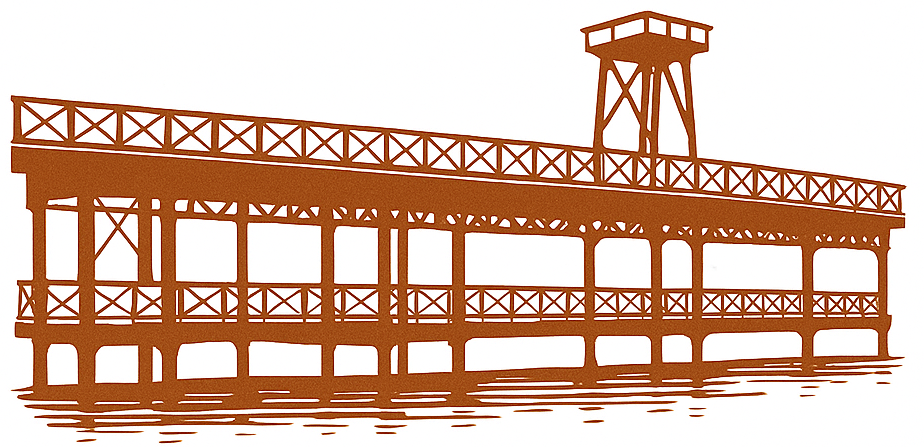
- 1870: The loading pier at Corrales on the Odiel river was completed.
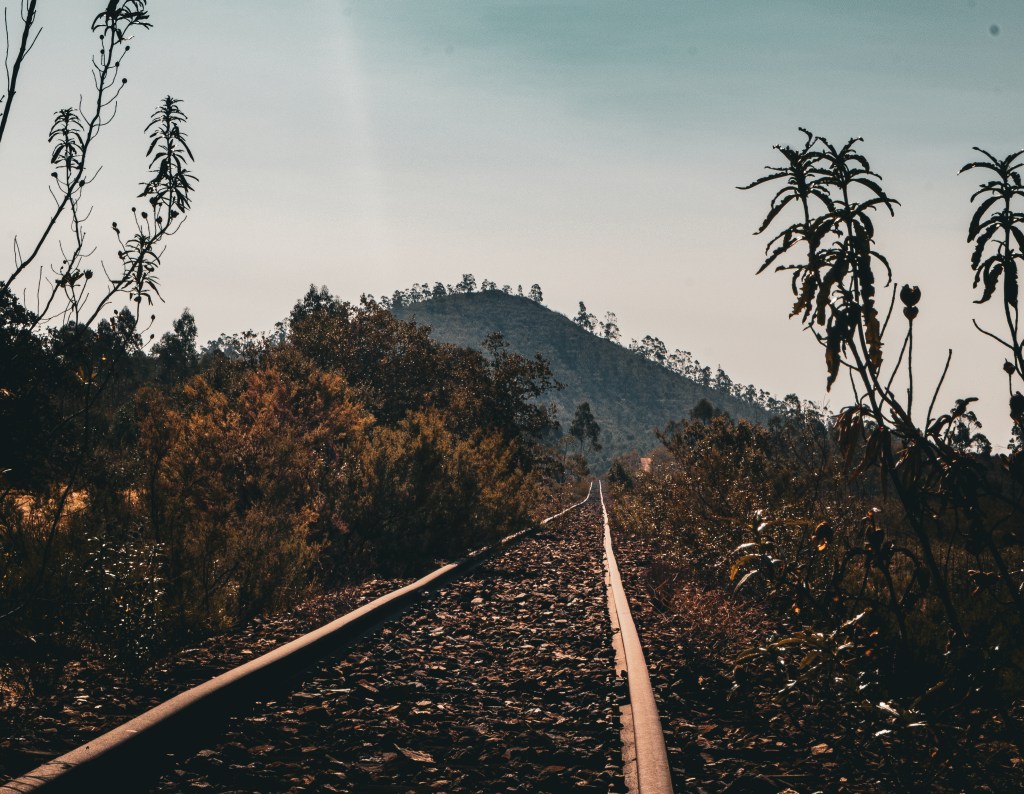
- 1871: The 47km railway from the Tharsis mines to Corrales and the loading pier was opened to traffic.
Recommended for your visit:
- The British Graveyard: This is a small, walled Protestant cemetery built to bury the Scottish and English management and engineers (and their families). You can still clearly read the names on the tombstones.
- Pueblo Nuevo (New Village): This was the exclusive residential enclave built by the British company, separate from the main workers’ village. Key buildings include the Casa de Huéspedes (Guest House)—which served as the company’s social club and hotel for visiting directors—and the General Manager’s house. The architecture here is distinctly Victorian/British colonial.
- The Village of Tharsis and Mining Museum: Located in the old hospital building, it houses the company archives and a unique collection of wooden casting models used to repair heavy machinery.
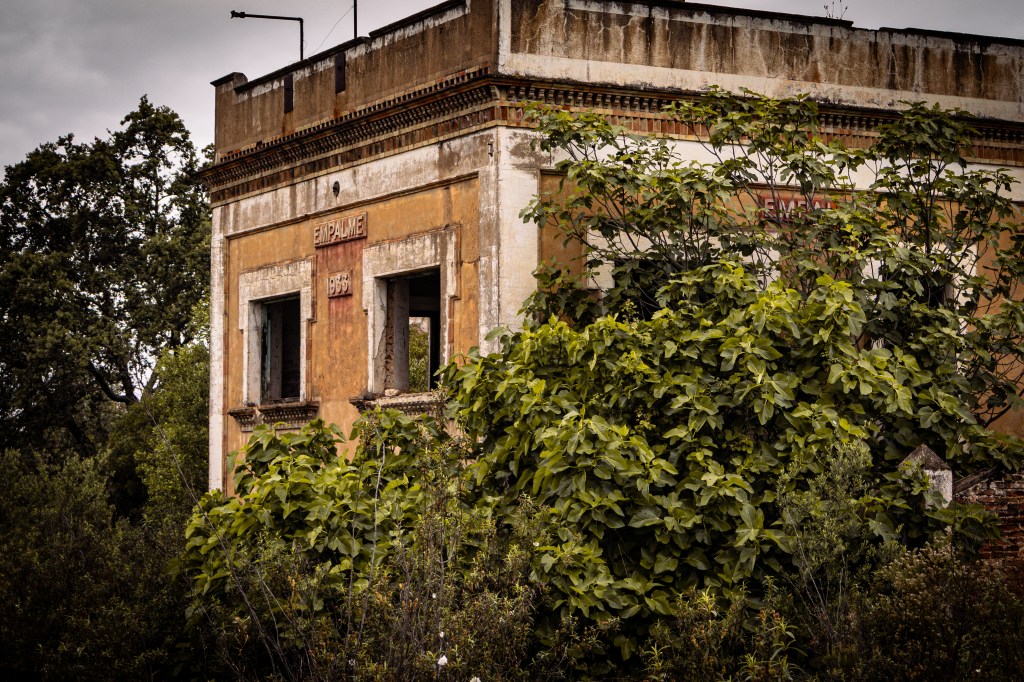
- The Empalme (Junction) Station: Follow the railway line to find this area, which features old buildings and part of the original track. This was the junction where the line from La Zarza Mine met the main Tharsis line.
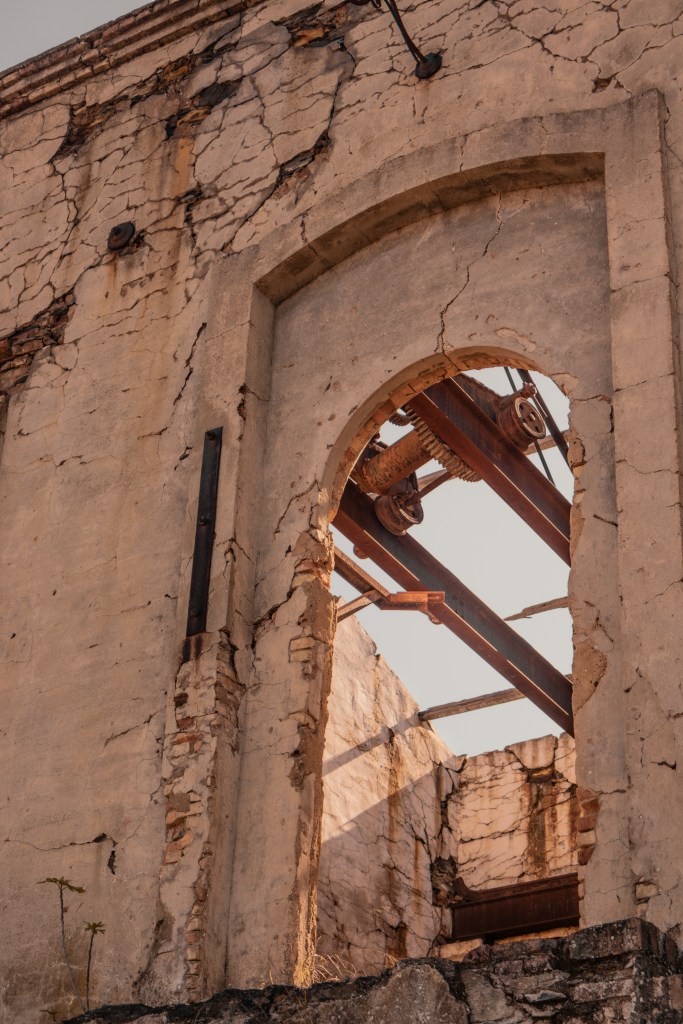
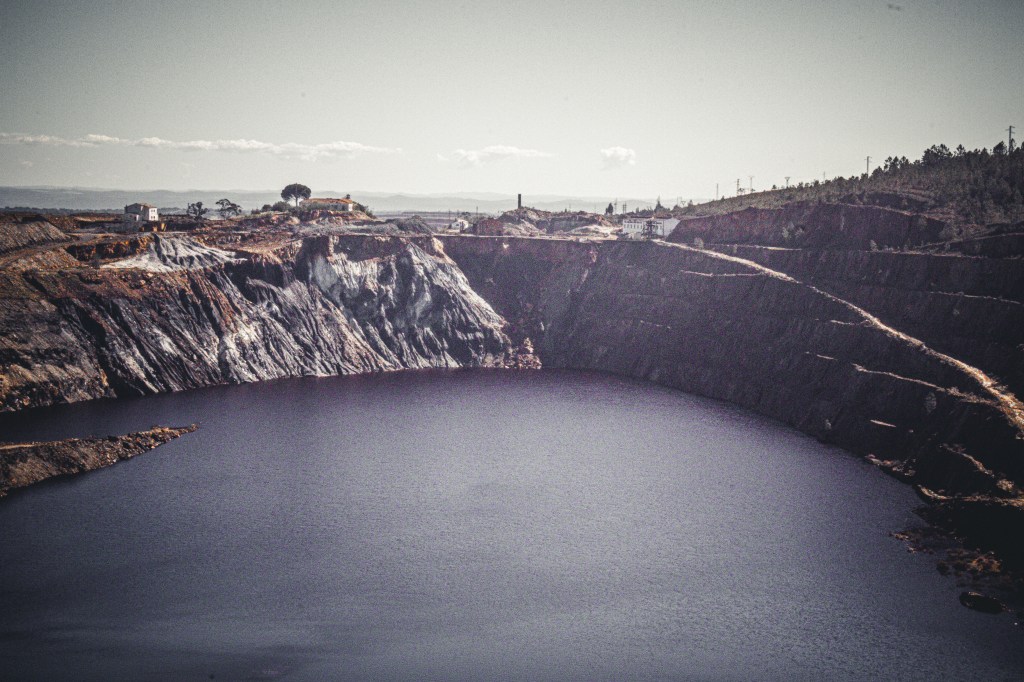
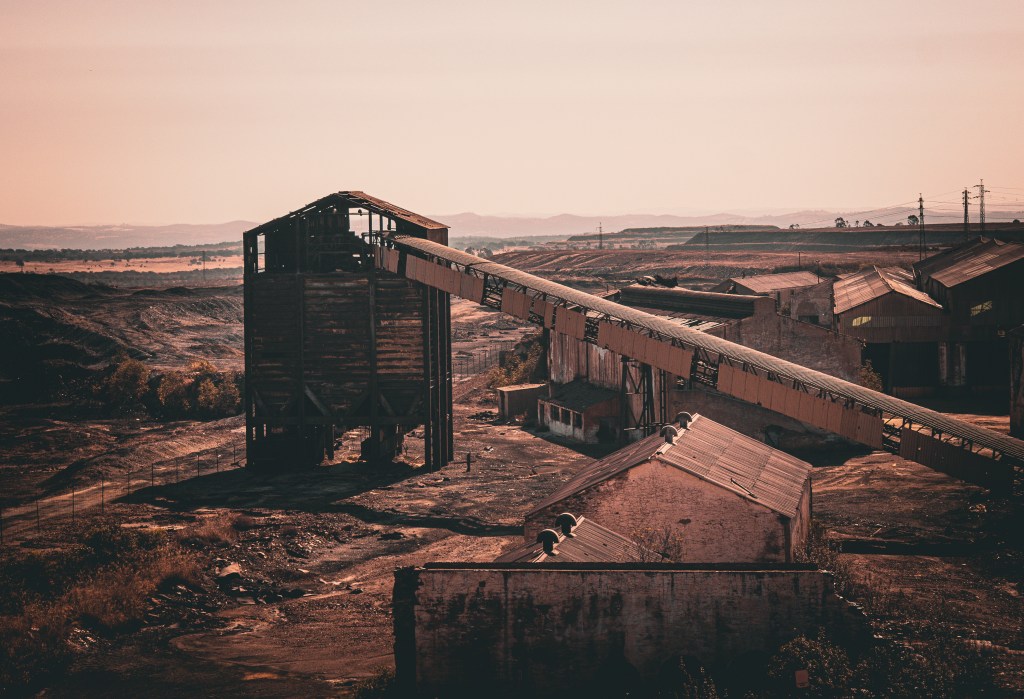
The Five Open Cast Mines: There are five different open cast mines, all relatively near each other. They are great for photography due to their rich earth tones and the industrial remnants of machinery and buildings:
- Central Lode (Filón Centro)
- Bulones (Sierra Bullones)
- North Lode (Filón Norte)
- South Lode (Filón Sur)
- Esperanza (Corta Esperanza)
