
(The Glasgow Herald. May 30, 1888)
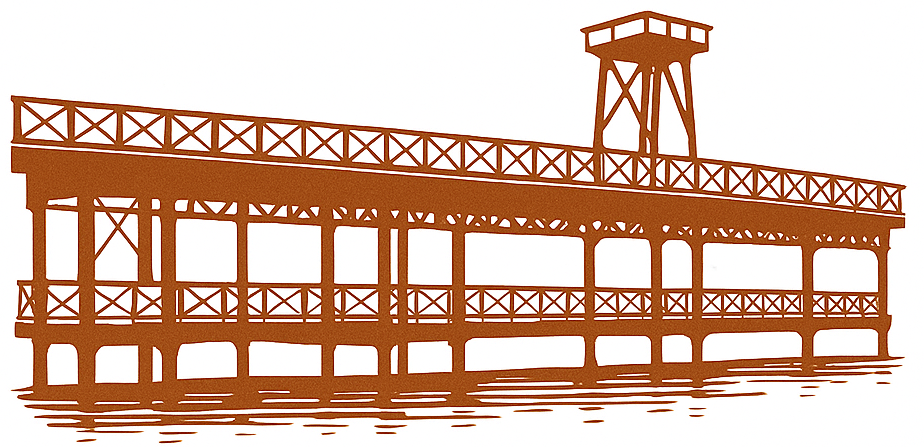
A most interesting and attractive exhibit is that of the Tharsis Sulphur and Copper Company (Limited). It consists of a large model of the Tharsis mines, showing an area about six square miles, which is accompanied by an oil painting of the North Lode Opencast. At the base of the exhibit are grouped specimens of the ironstone outcrop of the lodes—cupreous shist, cupreous pyrites, burnt ore, purple ore, and the last-named material converted into blocks for use in blast furnaces. Large show-cases on either side contain a series of specimens illustrative of the industry as carried on at the mines of the production of cement copper, and also samples of native copper and natural stalactite sulphate of copper. Many Phoenician and Roman antiquities are also shown, which have been discovered in the course of the company’s operations, including a large glass urn with human bones, tear bottles, perfumery bottles, glass bowls, clay lamps and mugs, nails, coins, and various bronze articles. The show case on the other side contains illustrations of the operations carried on at the company’s works in this country, showing the successive stages in the treatment of the ore, ending in teh metals fitted for manufacture. Copper slabs, weighing from 36cwt. downwards, billets and ovals for the manufacture of solid drawn tubes, wire bards and ingots of the various classes of copper, including the high-class conductivity quality required for electrical purposes are also shown. An interesting feature is the exhibition of the chief metals contained in one pound of the ore, and the gold and silver contained in 100 tons of the original mineral. The silver has been cast as a bell, and weighs 136½oz., while the gold weight 5½oz. The Tharsis Company was formed in 1866, and have in this country six metal-extracting works, situated at Glasgow, Tyne, Widnes, Oldbury, and Cardiff. They are also proprietors of a very large extent of land in the mining district of the Province of Huelva, Spain, the mines chiefly workde being at Tharsis and Calañas, all connected by the company’s railway system with their shipping pier at Huelva, about 30 miles distant from Tharsis. The branch line to Calañas is about 20 miles long. It is believed that these mines have been known since 1000 years b.c, and both Phoenician and Carthaginian remains have been found there, while very complete and extensive Roman workings still exist. The mineral contains about 50 per cent. sulphur, 45 per cent. iron, 3 per cent, copper, with small quantities of gold, silver, lead, zinc bismuth, nickel, antimony, arsenic, and silicon. Messrs Duncan M’kechnie & Sons, St Helen’s have a very effective show case, containing samples illustrative of the wet method of copper extraction, with the refined metals obtained from the precipitates, and also specimens illustrating sulphate of copper manufacture. A large cone-shaped crystal of sulphate of copper forms the centrepiece of the exhibit, the bright blue colour of which gives a brilliant appearance to the whole case, while the other articles shown are very tastefully arranged. From the we method of extraction the precipitates obtained are lead, silver, and copper. These are afterwards smelted and refined, the products, which are shown, being refined lead, refined silver, and ingot copper.
