(The Glasgow Herald, November 8, 1887)
OPENING OF THE NEW RAILWAY TO CALAÑAS
On Saturday the 29th October there was opened with much rejoicing an extension from Tharsis to Calañas of the Tharsis Company’s existing railway to the port of Huelva.
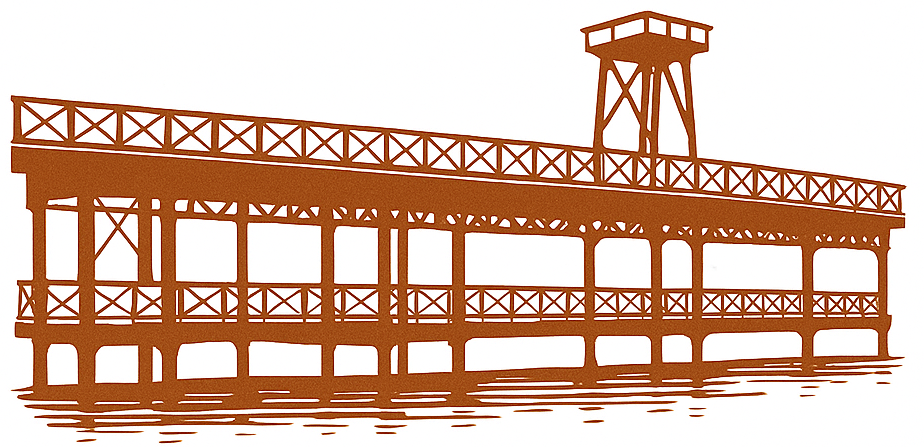
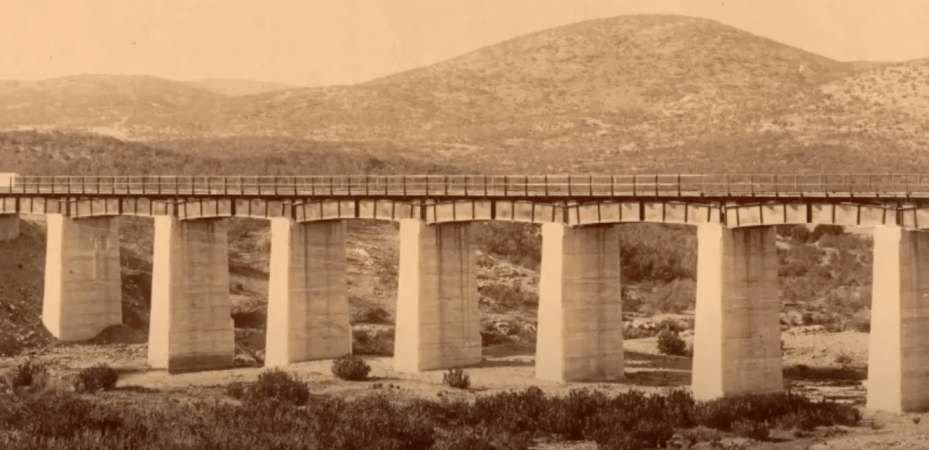
The new railway, which is constructed for mineral and passenger traffic, is 30 kilometres in length, and is chiefly intended for the accommodation of the company’s Calañas copper mines, which are being openend up on an extensive scale, in order to send the ore for shipment, instead of treating it locally on the small scale hitherto done. On the day previous to the formal opening of a deputation of the directors, consisting of Messrs Mercier and Schmidt, of Paris ; Mr Archd. Arrol and Mr Hugh Brown, of Glasgow ; and Mr J. C. Stevenson, M.P., of South Shields, accompanied by Mr Verel, of Glasgow, the company’s general manager ; Mr T. A. Allan, the company’s general manager in Spain ; Mr John Strain, of Glasgow, the engineer and constructor of the line ; and Mr A. M. Anderson, the resident engineer, steamed over the line, and examined carefully the numerous viaducts and other works on the route. The line passes through rugged and difficult country, accommodating the villages of Las Cruces, El Cerro, and Calañas. The excavations are all through rock, about 250,000 cubic metres of which were removed, while the excavation from the uncovering of the Calañas mineral was utilised in forming some of the embankments at the Calañas end of the line. Four rivers are crossed over by viaducts varying from 60 to 140 metres in length, and from 10 to 30 metres high, besides numerous lesser bridges crossing valleys, streams, roads and the Tapa Railway. The novel feature in the work is the adoption throughout of rubble concrete in the construction of viaducts and bridges, in which the only unskilled labour of the neighbouring villages was employed, and the native stone, otherwise unsuitable for ordinary building, was solely used in making and amalgamating with the concrete. The rubble concrete piers, &c., were built in situ within temporary wooden frames, some of the piers being about 100 feet in height, and, of course, monolithic. This departure from the ordinary style of railway work has enabled the company to construct the works, not only with extraordinary expedition, but remarkably cheap. Some of the largest bridges were built within one month, and the largest viaduct in five months, which under the ordinary system of building, would have taken from three to four times longer, and involve greatly increased cost. This class of work, though novel in Spain, has been extensively adopted by Mr Strain in the construction of railways at home, where it has given our Government engineers the greatest satisfaction. The whole works have only occupied 22 months in execution. The engineering and construction was undertaken by Mr Strain and his staff without the aid of a contractor.
The opening day, by invitation of the directors, a large company of the principal people in the various towns and villages in the neighbourhood proceeded by special train over the new line as far as the viaduct over the river Cascabelero, where they alighted and spent some time inspecting the work, the tall white piers of which have a most substantial yet graceful appearance. All expressed admiration of the work and the short time taken in its construction. Returning to the Tharsis end of the line, the company were entertained to cake and wine in a large cement shed that had been decorated for the occasion.
Mr Mercier, as the oldest director of the company, took the chair, and appropriately referred to the marvellous change for the better which had taken place in the district since he first knew it, and the pleasure it gave him to see beside him some of his old friends, the Magistrates of Alosno, and to find them still encouraging by every means in their power the material progress of the district. He concluded by proposing the health of Señor Contreras, the chief government inspector of railways. Señor Contreras, in replying, expressed the great satisfaction which he had in being present and in testifying to the excellent character of the new railway works, and stated that in all his experience he had never inspected a railway constructed so solidly, efficiently, and expeditiously as the one now opened. He concluded by proposing “The health of Mr Strain, the engineer,” who replied, mentioning the satisfaction which he had had in the carrying out of the works, not only from the loyal support which he had had from the permanent staff of the Tharsis Company and his own staff, but from the excellent character of the Spanish workmen and the intelligent appreciation of his work by Señor Contreras and his assistants in the railway official department of Spain. Señor Contreras, in an eloquent speech, proposed “The health of their Majesties the Queen of Spain and Queen of England.” Mr Stevenson, M.P. of South Shields, replied expressing a hope that the good relations which had hitherto existed between the two countries would long continue. The health of Mr Allen, the popular and accomplished manager of the Tharsis Company in Spain, and of Mr Anderson, the resident engineer, having been proposed and cordially responded to, the proceedings terminated.
