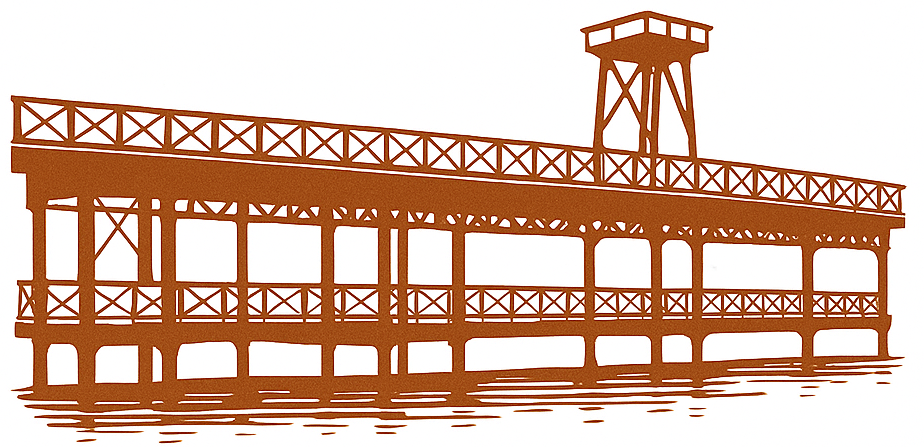
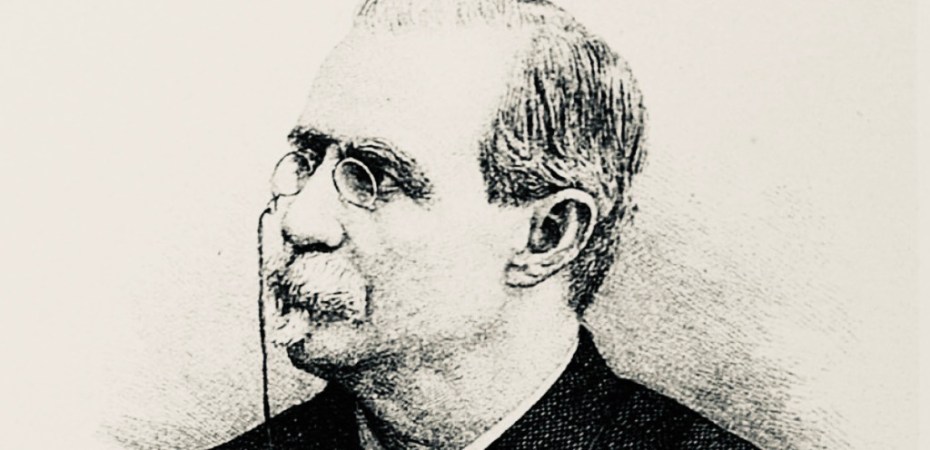
The Times correspondent, telegraphing from Huelva on Sunday, says—The visit of Señor Cánovas del Castillo, ex-Premier (and, doubtless, a future Premier of Spain when the Conservative party returns to power), to the most remote south-western province of the kingdom, with a view to study its industrial development, thus breaking the tradition that those who direct the destinies of this country make political advantage the primary object of their pilgrimages from Madrid, may be considered a new and salutary departure from an evil custom. It is satisfactory also for Anglo-Spanish commercial relations that the province of Huelva was selected for inspection by Señor Cánovas del Castillo.. It owes its advancement from the fourth or fifth class, in an industrial sense, to the first class almost exclusively to British and principally Scotch, enterprise, capital and perseverance, which have overcome difficulties that have previously proved insurmountable, notwithstanding the unequaled natural resources of the district. Ten millions sterling of British capital have been invested in this small province of 230,000 inhabitants, and at least five or more manufactories in the United Kingdom depend on exports from Huelva. The mines and works at Rio Tinto were yesterday inspected. They include a pier capable of loading 4,000 tons daily, a railway 85 kilometres long from the port of Huelva to the mines, 63 kilometres of railway within the perimeter of the mines themselves , and many miles of galleries which have yielded 150,000,000 tons of copper pyrites. Señor Cánovas del Castillo and the friends accompanying him, including Señor Elduayen, ex-Minister for Foreign affairs, and the `Marquis Casa la Iglesia, ex-Minister in London, expressed themselves in terms of unquantified praise and satisfaction concerning all they witnessed, congratulating themselves at the same time upon the benefits which the country was reaping, and must continue to reap, from such gigantic undertakings, managed with uncommon intelligence and prudence. Señor Cánovas el Castillo, at the conclusion of his visit, spoke in this sense to Mr. Döstch, a director of the company, Mr Matheson, the chairman, not having arrived, and to Mr. Osborn, manager of the mines. The output of the mineral is 1,400,000 tons per annum, giving employment to about 10,000 workmen. With the aid of carriages the visitors were run upwards of 2,200 metres in a gallery passing through solid mineral, averaging 100 metres in width and 153 metres in height from the lowest gallery level, and with a further depth of mineral, below which a borehole of 150 metres has not yet fathomed. I believe I am correct in stating that there is no other lode in the world so powerful, and it would be impossible elsewhere to make such a remarkable railway journey, which might have been extended serval hundred metres further with the length, the Rio Tinto Company produces 15,000 tons of metallic copper annually. To-day Señor Cánovas del Castillo is visiting the Tharsis mines, worked by a Glasgow company, and the Convent La Rabida Palos, whence Columbus sailed.
(The Leeds Mercury—March 1, 1887)
