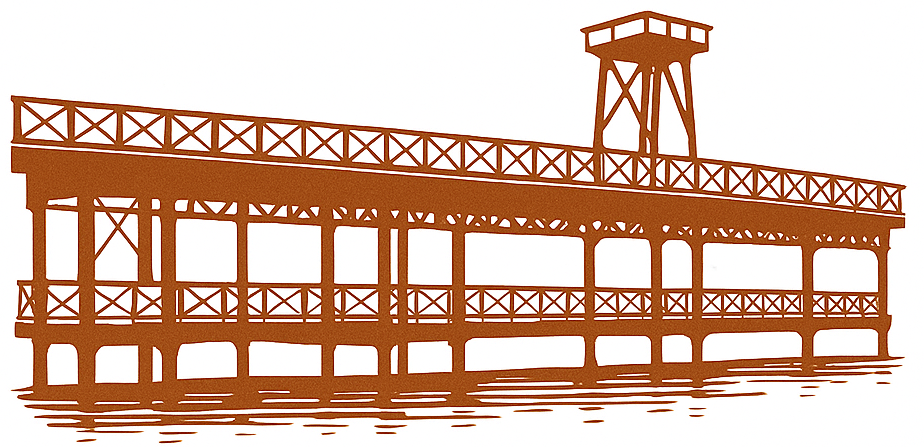

The number of vessels of all classes that have entered the port of Huelva during the year 1885 amounts to 1,710, with 10,407 crew members, 1,407 passengers, and 593,287 tons. Of the said number of vessels, 1,040 have been Spanish, with 7,503 passengers, 1,098 crew members, and 104,604 tons. These vessels are classified in the following manner: 3 of war; 55 arriving from abroad; 329 in the major coasting trade of more than 20 tons; and 653 of less than 20 tons. The number of tons of these coasting vessels amounts to 97,790.
The foreign vessels that entered our port during the aforementioned year numbered 676, with 11,809 crew members, 360 passengers, and 458,593 tons. Of these vessels, 259 with 145,301 tons entered with cargo and 417 with 313,292 tons in ballast. The classification of the foreign vessels that entered is as follows:
English flag: 563 with 10,173 crew members, 336 passengers, and 400,065 tons.
German: 34 vessels with 25,500 tons.
French: 33 with 13,025.
Norwegian: 15 with 6,716.
Swedish: 13 with 6,550.
Portuguese: 12 with 1,526.
Greek: 2 with 802.
Belgian: 1 with 1,007.
American: 1 with 478.
Austrian: 1 with 329.
Comparing the activity of the year ’85 with that of the two preceding years, it follows that in 1883 Spanish and foreign vessels entered; in 1884, 674 of the former and 576 of the latter; and in 1885, 1,040 and 670 respectively; that is to say, that in the past year, 366 more Spanish vessels and 94 more foreign ones entered our port than in 1884, and 432 more Spanish and 135 more foreign ones than in 1883. In summary: 460 more vessels of all origins entered in the past year of 1885 than in 1884, and 507 more than in 1883.
This progress is not accidental; it is the child of the natural movement of business and the development of the various industries that sustain it—a progress that will increase year by year as the different sections of the Extremadura line are opened for exploitation. The Port Works Board, in whose Engineer we place our trust, will see by these data the necessity of rapidly creating the necessary means to keep pace with this development, since those currently existing are already insufficient.
(As published in La Provincia)
