(A Huelva Gazette Article – Sources include The Memoirs of Hugh Matheson and La Provincia)
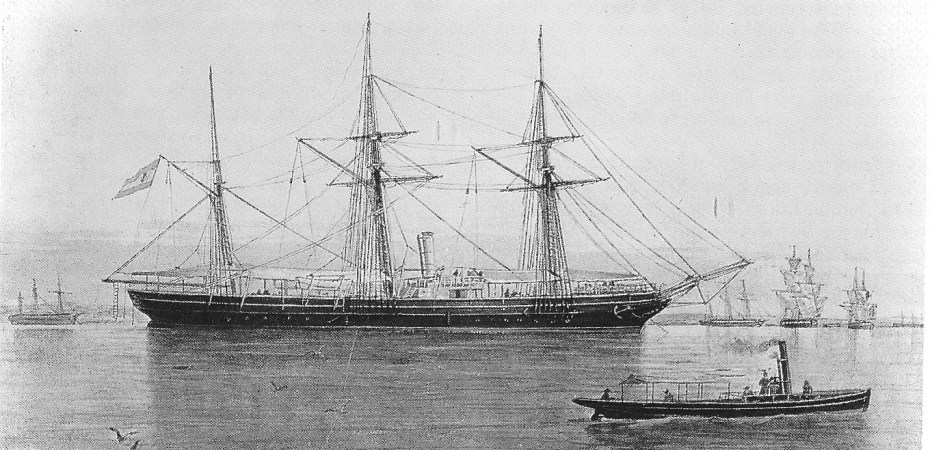
A royal visit to Huelva is long, long overdue. By all accounts, it has been some 600 years since royalty last graced the province with a visit. On Thursday, King Alfonso XII—who had declared Huelva a city just seven years earlier, in 1876—arrived at the port aboard his warship La Goleta Ligera. He proceeded to take an extensive tour of La Rábida before receiving on board, around 5 p.m., Mr Hugh M. Matheson, Mr Doetsch, Mr A. Schroeder, and Mr Daniel Carballo, who had sailed out to meet the King on Mr Sundheim’s little steamer Justa.
According to a reliable authority, the King chose to answer Mr Matheson’s initial greeting in French, commenting that he found it more comfortable than English, having forgotten much of the language since his time at the Royal Military Academy of Sandhurst. He went on to express an eagerness to visit the Rio Tinto mines—the principal objective of his journey—without further delay.
After being formally received by the local authorities and the Mayor, D. Rafael de La Corte, the royal party took a short tour by horse and carriage around Huelva’s main streets before boarding the train to the Rio Tinto Mines just before 7 p.m. The King was accompanied by his entourage of dignitaries, occupying four train carriages in total. Eyewitnesses assured me that the journey was a pleasant one, filled with animated conversation between the King and Mr Doetsch about the workings of the Rio Tinto Company.
The party arrived at the mines at 10 o’clock and was greeted by Mr Prebble, the director of the mines, and a large crowd of onlookers. The open-cast mine, lit by electric lights and the moon, made a striking impression. A brass band thundered away as the royal party was escorted to the Casa Grande, where they were treated to a delightful dinner that concluded around midnight.
Immediately following the meal, a visit to the South Real tunnel was conducted, reaching a depth of 900 metres into the mine. The King showed great interest in the tour, asking numerous questions along the way about the company’s operations—capital, profits, and investments among them. This first visit concluded at 2 a.m.
After an early breakfast at 7:30, the party departed for San Dionisio on the western side of the south lode. From there, they enjoyed a panoramic view of the burning mineral heaps, the cementation area, the south reservoir, and the new houses at Bella Vista. The King was particularly impressed by the cementation tanks at La Cerda and the new crushing machinery, an innovative system that allowed for the extraction of copper without first burning the mineral.
During this leg of the visit, the King expressed a desire to see the workers’ houses. He was accompanied on a tour, during which he asked the occupants about their working conditions, hours, and general life in the mining community. He later instructed that each be given five reales.
At 3 p.m., the royal party began the return journey. The entire English community, including many ladies, had gathered at the station to see them off. The return trip was pleasant and uneventful, with the only noteworthy occurrence being the large crowd and musical reception at Niebla. They arrived back in Huelva at 6 p.m.
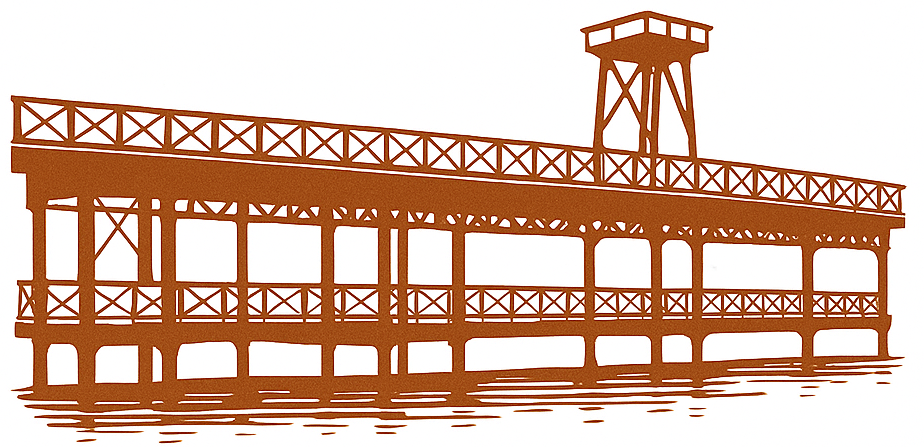
Upon arrival, the King and his party went directly to inspect the impressive Rio Tinto Company Pier, where they observed the steamer Valentia being loaded with 1,700 tons of mineral. The process employed an innovative gravity-feed system, allowing mineral to be transferred directly from rail carriages down a chute into the ship’s holds.
After a brief stop at Las Monjas Square to pray, the royal party attended a dinner at 7:30 p.m. at Mr Sundheim’s exquisite residence, La Esperanza. The dinner was attended by 36 dignitaries, including members of the King’s entourage. Notably present was Mr Sundheim’s father-in-law, Fernando de la Cueva, dressed in his ceremonial uniform as honorary secretary to Queen Isabella. Guests were seated in two adjoining rooms, with a large opening allowing visibility between them. According to those present, the service provided by the King’s men was impeccable. The King, reportedly at ease and in high spirits, proved an animated conversationalist, especially with Sundheim and Doetsch, noting that he spoke German at home.
At 9:30, the company adjourned to the billiards room, where the King played a game with Mr Sundheim and demonstrated considerable skill. Mr Matheson is said to have taken his leave shortly afterwards, coinciding with the departure of the Carballo family.
Thus concluded a historic visit that will long be remembered in the annals of Huelva. The presence of His Majesty, coupled with his genuine interest in the workings of the province and its people, marked not only a rare royal occasion but a moment of recognition for Huelva’s growing importance in the industrial age. Whether it be in the flicker of electric light over the mines or the clink of billiard balls at La Esperanza, the King’s visit left an indelible impression on all who witnessed it.
