
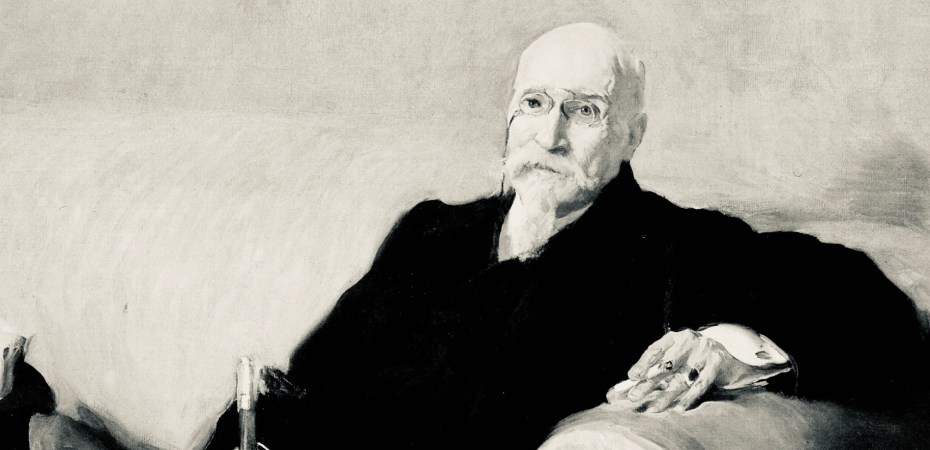
(Morning Post—February 24, 1873)
FROM OUR OWN CORRESPONDENT. MADRID, Feb, 18.
The mental repose into which we were settling down is troubled to-day by rumours of disturbances and mutinies which are said to have occurred in the provinces, and to be imminent in the capital. The Bolsa, which may to some extent be regarded as the pulse of the situation, is very weak. In a period of little more than tow months, that is since the federal Republican outbreak in December, the decline in the value of public securites has been most serious. The 3 per Cents. (interior) have fallen about 4¼, being now quoted 12.10. Bonos del Tesoro are at 73, about 6 worse, while Railway State Bonds at 46 show a still more serious fall. The coupons which came due on the 1st of January must of course be taken into account ; still the state of the market affords a sad proof of the distress concerning the immediate future existing among men of business. The recent suspension of payments by a small bank or commission agency will necessitate the appointment of a new representative by the British bondholders. The bill for the sale of the Rio Tinto Mines was passed in the National Assembly yesterday without opposition. Señor Salaverria explained that in accordance with the resolution adopted several days before by the Conservatives, no difficulties would be thrown by them in the way of the Government. He added, however, that under other circumstances those who act with him would have critically examined every circumstance connected with the transfer of the most valuable property sold by the State since the law of Desamortisacion was passed. The Minister of Finance thanked Señor Salaverria for his patriotism “in the name of the Republic.” The solemn tone in which Señor Echegaray answered for the Republic occasioned some laughter, owing to the recent date of his conversion to it. The confidence displayed by the capitalists who have contracted to invest so enormous a sum of money in Spain at a moment of such political uncertainty has naturally excited much comment. I am sure, however, that it has not been misplaced. Notwithstanding the constant changes of administration, the vested interests of foreigners in real property are as certain to be respected in Spain as in any country of Europe. Not is it to be doubted that the property will amply repay the purchasers. As soon as the means of transport are provided by the completion of the railway from the mines to the port of Huelva the output will be dependent solely on the amount of labour which the owners choose to employ. Enormous fortunes have been made of late years by the English proprietors of similar mines in the neighbouring districts, such as Tharsis and Santo Domingo, the latter just over the Portuguese frontier. But these are pigmies compared with the gigantic pyrite deposits of Rio Tinto.
