
(The Evening Chronicle)
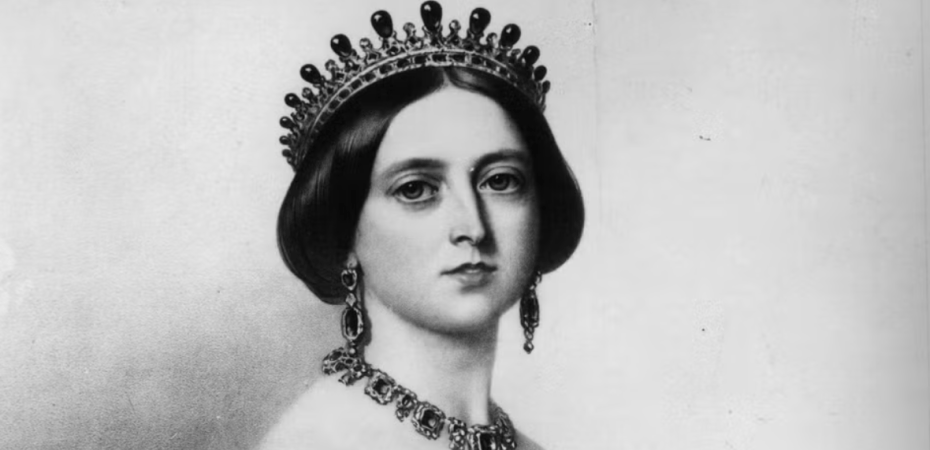
LONDON.- The Court of Common Council yesterday unanimously agreed to vote congratulatory addresses to the Princess Victoria and the Duchess of Kent, on the occasion of the former attaining her majority as heiress presumptive to the throne.
Insights
May 24, 1837: This date marked a crucial milestone: Princess Alexandrina (known as ‘Drina’ to close family) Victoria of Kent celebrated her 18th birthday. This meant she was legally old enough to rule without a regency, a scenario her uncle, King William IV, had actively sought to avoid. The contrast with Queen Isabella II of Spain was stark. Isabella ascended the throne at just three years old, was declared of legal age at 13, and married her cousin at 16. Shielded from political realities, indulged in whims, and manipulated by various factions, she lived under the shadow of the Carlist Wars, which constantly threatened her legitimacy. Her education was more suited to a high-society lady than a reigning queen. Victoria, in contrast, despite—or perhaps even because of—the restrictive Kensington System (a strict protocol devised by her mother, the Duchess of Kent, and her comptroller, Sir John Conroy, to maintain control), developed a strong will. She was thoroughly prepared for rule from an early age through a comprehensive curriculum encompassing history, geography, languages (fluent in German, English, French, and proficient in Italian and Latin), and political studies.
June 20, 1837: King William IV dies in the early hours of the morning. Princess Victoria is awakened at Kensington Palace to be informed of his death and that she is now Queen.
June 28, 1838: Queen Victoria’s coronation takes place at Westminster Abbey. This grand ceremony officially marked the beginning of her long and impactful reign.
Why is this important for our Huelva Chronicles?
Queen Victoria was a symbol for the British presence in Huelva. The 24th of May was declared a public holiday for the more than 10,000 Spanish workers at Rio Tinto Mines, Union Jack flags were flown from the company offices, festivities and sports were organised. Indeed, the Rio Tinto railway timetable explicitly noted that trains did not run on Sundays or on Queen Victoria’s Birthday, and this was an excellent choice for the title of David Avery’s book on the Rio Tinto Company “Not on Queen Victoria’s Birthday”.
